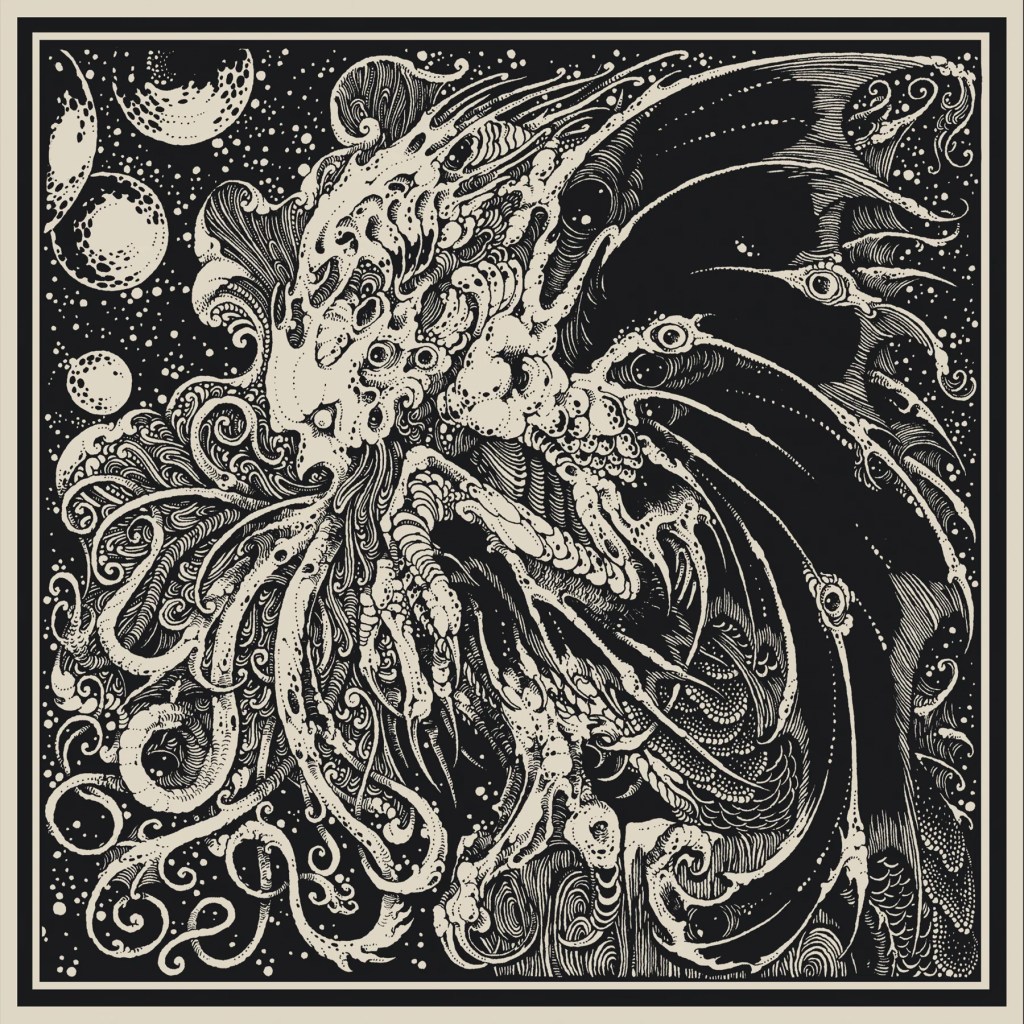
The famed horror author H.P. Lovecraft is perhaps best known for crafting a pantheon of fictional deities that populate his unsettling universe.
These beings are immensely powerful and indifferent to humanity—a terrifying notion, given how little humans can comprehend them. Though often beyond mortal understanding, some of these cosmic entities are worshipped by scattered cults, leading to their sporadic and chaotic influence on Earth.
Among Lovecraft’s most iconic creations are the “Great Old Ones” and the enigmatic extraterrestrial “Elder Things,” with otherworldly beings like Nodens appearing as miscellaneous deities. Lovecraft’s original mythos would go on to inspire other writers, notably August Derleth, who systematized these cosmic horrors into what is now known as the Cthulhu Mythos.
Cosmic horrors
At the core of Lovecraft’s tales lies a recurring theme: humanity’s utter insignificance in the face of the universe’s cosmic horrors.
His most famous creatures, the “Great Old Ones,” are ancient deities from the stars whose powers are so immense that their existence eclipses all human importance. These beings once ruled Earth but now languish in a death-like slumber, awaiting the moment they might awaken and reclaim the world.
Chief among these beings is Cthulhu, whose presence dominates Lovecraft’s famous story, “The Call of Cthulhu.”
Though many of the Great Old Ones are imprisoned or cut off from interacting directly with humanity, cults of deranged worshippers persist, summoning them from the depths of the sea or other dimensions.
Other writers have built upon Lovecraft’s universe, adding new gods and entities to the expanding mythos.
Lovecraft’s universe extends beyond just the Great Old Ones, however. The Dreamlands, an ethereal realm that appears in his stories, hosts its own set of gods. The “Great Ones” of this dream realm, while still deities, are much weaker than their cosmic cousins and are far less intelligent, sometimes even less so than humans.
They once lived on Earth, but the spread of humanity drove them into hiding. Protected by more powerful entities like Nyarlathotep, the Great Ones rule from their secret fortress in Kadath, occasionally returning to Earth via mystical cloud ships.
At the apex of Lovecraft’s deific hierarchy are the “Outer Gods,” eldritch entities whose powers are vast and incomprehensible.
Azathoth, the “Blind Idiot God,” reigns supreme, holding chaotic court at the center of infinity while other Outer Gods perform a ceaseless, cosmic dance to the sound of demonic flutes.
These gods, including the monstrous Shub-Niggurath and the omnipresent Yog-Sothoth, exist beyond human comprehension.
Perhaps the most intriguing of them is Nyarlathotep, the “Crawling Chaos,” a malevolent trickster who serves as the messenger and intermediary for the Outer Gods. Unlike his mindless peers, Nyarlathotep possesses a cunning intellect and a cruel sense of humor, reveling in the torment of mortals.
Though Lovecraft never directly referred to them as “Outer Gods”—preferring instead terms like “Other Gods” or the “gods of the outer hells”—the concept has endured in subsequent works.
Expanding the mythos
Writers who followed in Lovecraft’s footsteps, such as August Derleth, expanded the Mythos, introducing the “Elder Gods” as benevolent counterparts to the Great Old Ones. The Elder Gods, such as Nodens, occasionally intervene to thwart the malicious deities, acting as a deus ex machina in several stories.
Other writers, too, have built upon Lovecraft’s universe, adding new gods and entities to the expanding mythos.
Joseph S. Pulver’s Nightmare’s Disciple (2006) introduces a fresh set of Elder Gods with cryptic names like Adaedu and Xislanyx, further deepening the mystery of these cosmic beings.
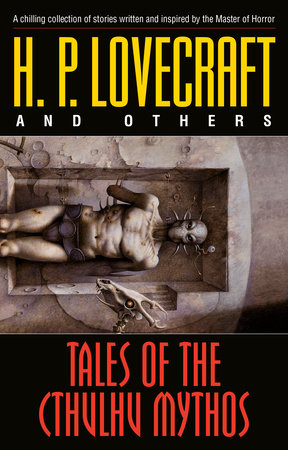
Pulver also introduces lesser-known figures like Othkkartho, said to be the son of Nodens, and Zehirete, the “Pure and Holy Womb of Light.” This continuous expansion of Lovecraft’s original ideas has ensured that the mythos remains vibrant, its influence echoing in modern horror, literature, and even popular culture.
Through his writing, Lovecraft redefined cosmic horror. In his universe, gods are not benevolent protectors but indifferent or hostile forces whose mere existence is enough to drive humanity to madness.
These deities, with their strange forms and unfathomable motives, remind readers of the fragility of human existence in a universe far more vast and terrifying than we can ever hope to understand.

 God Is In The Radio
Leave a comment