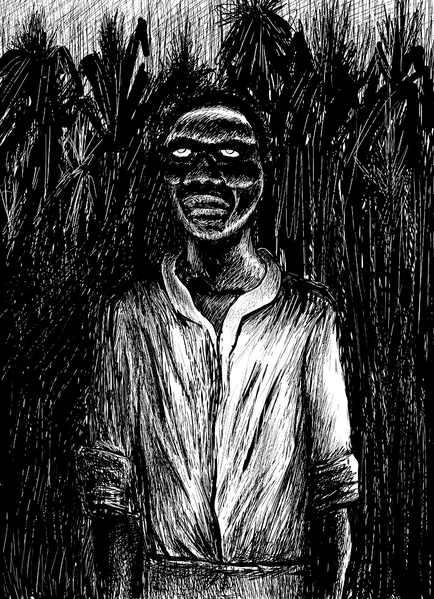
Zombies are among horror culture’s most iconic and enduring figures, known for their terrifying presence and eerie lifelessness. Originating from the rich traditions of Haitian folklore, the concept of a zombie refers to an undead creature, a corpse reanimated through dark magic or necromancy.
Yet, the figure of the zombie has undergone a dramatic transformation over centuries, evolving from a mystical being into the flesh-eating monster of modern media.
The zombie myth hails from Haitian folklore. It represents a dead body revived by the magical practices of Vodou. In these stories, a sorcerer or bokor controls the reanimated corpse, turning it into a mindless thrall devoid of its soul or will.
The idea of zombification was not just a terrifying supernatural event—it also embodied the Haitian experience of slavery, with tales suggesting that even death would not free a soul from servitude. The fear of being trapped in an undead state was used to discourage enslaved people from committing suicide, as the ultimate horror was to become a zombie—alive but powerless.
The term “zombie” first entered the English language in 1819, recorded in a history of Brazil by poet Robert Southey. It initially referred to Zumbi, an Afro-Brazilian rebel leader whose name was derived from the Kongo word for spirit or god.
The zombie concept began intertwining with Western culture from this African root, further popularized by W.B. Seabrook’s 1929 book The Magic Island. Seabrook’s sensational account of Haitian Vodou brought the idea of the zombie into mainstream Western awareness, shaping how future generations would perceive the undead.
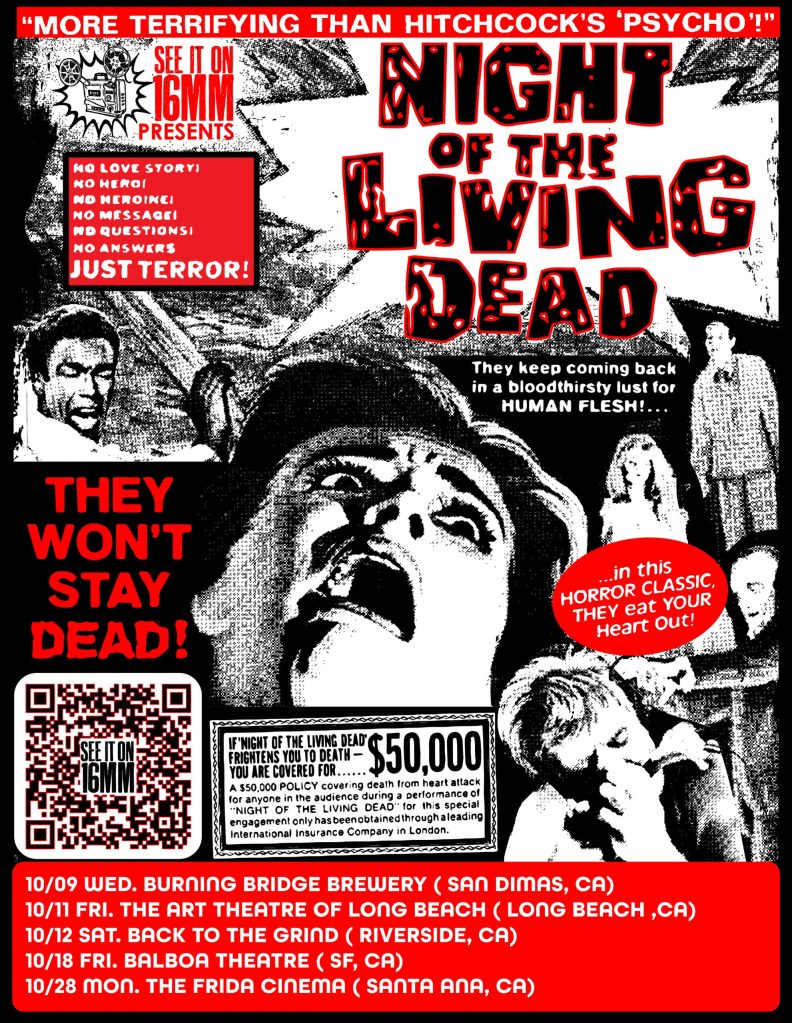
As we know them today, zombies owe much of their current form to George A. Romero’s groundbreaking 1968 film, Night of the Living Dead. In this film, zombies were reimagined as relentless, flesh-craving monsters, a far cry from their magical origins in Haitian lore.
Romero’s zombies, inspired partly by Richard Matheson’s novel I Am Legend (1954), were created not through dark magic but through an unexplained, possibly scientific phenomenon. Though the word “zombie” was never used in the film, fans and critics soon adopted the term to describe these undead creatures.
Romero’s film not only changed the way zombies were depicted on screen but also laid the groundwork for the “zombie apocalypse” scenario, in which civilization collapses under the weight of a global zombie infestation. This trope has since become a staple of the genre, influencing countless films, TV shows, and video games, including The Walking Dead franchise.
The zombie genre has seen its fair share of evolution. After the release of Romero’s Dawn of the Dead (1978) and Michael Jackson’s iconic Thriller music video in 1983, zombies enjoyed popularity in the 1980s before waning.
The resurgence came in the 1990s with the success of zombie-themed video games like Resident Evil and The House of the Dead. These games reignited interest in zombies and introduced a more action-oriented approach to zombie fiction, with fast-moving, aggressive undead that posed a heightened threat to players and audiences alike.
By the early 2000s, zombies appeared everywhere, from the comedic British film Shaun of the Dead (2004) to the fast-paced horror of the Dawn of the Dead remake (2004). The idea of a global “zombie apocalypse” took center stage in films, games, and literature, cementing the zombie as a permanent fixture in pop culture.
One of the most significant changes in the zombie myth is the shift from magic to science.
As the 2000s rolled on, the zombie’s image began to soften. No longer were zombies simply the mindless hordes of earlier films. In works like Warm Bodies (2013) and TV series like iZombie (2015), zombies were depicted as characters with thoughts, emotions, and even romantic interests.
This shift represented a new phase in the zombie narrative, where these undead creatures became metaphors for marginalized and misunderstood groups. Stories of human-zombie relationships emerged, symbolizing taboo-breaking and the desire for connection in a world that fears difference.
In this context, zombies became complex figures of empathy. Once merely terrifying, they were now seen as struggling against their fate—trapped between life and death, yearning for freedom or acceptance. The humanization of zombies reflected broader cultural conversations about otherness, identity, and social liberation.
One of the most significant changes in the zombie myth is the shift from magic to science. While early zombie tales relied on Vodou and necromancy to explain their existence, modern interpretations often use science fiction to account for the rise of the undead.
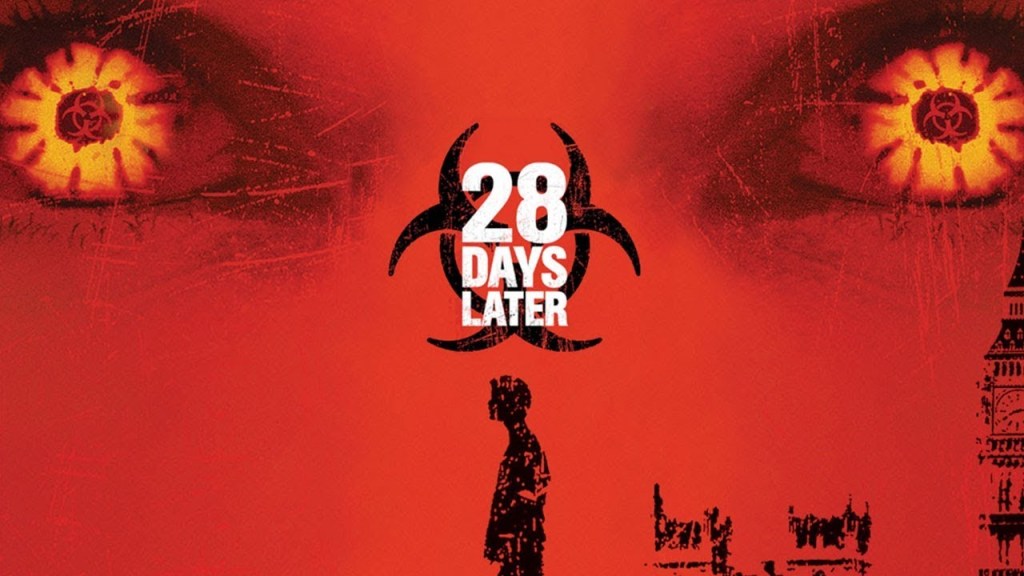
Today, zombies are frequently the result of viral outbreaks, genetic mutations, or biological warfare. Films like 28 Days Later (2002) and video games like Resident Evil portray zombies as the byproduct of infections, transforming the genre from supernatural horror to a more grounded, dystopian vision of the future.
This move towards scientific explanations added a new layer of realism to zombie stories. Audiences could now imagine a world where a pandemic might indeed lead to a zombie apocalypse, reflecting real-world fears of disease, bioterrorism, and global pandemics.
Beyond their fear factor, zombies have also served as a metaphor for modern society, particularly consumerism. Romero’s Dawn of the Dead famously linked zombies to mindless consumption, setting much of the action in a shopping mall where the undead roam like brainless shoppers. This critique of capitalist culture has endured, with zombie films often exploring themes of excess, materialism, and the collapse of societal norms.
As we move further into the 21st century, the zombie remains as relevant as ever. Whether portrayed as terrifying monsters, tragic figures, or social metaphors, the zombie has proven to be one of the most adaptable and enduring creatures in fiction. From their humble beginnings in Haitian folklore to their domination of modern media, zombies have evolved into a symbol that reflects our deepest fears, desires, and societal anxieties.
The question now is, where will the zombie go next? As science and culture evolve, so will our undead companions, ensuring that the zombie remains a permanent fixture in our nightmares—and perhaps even our hearts.

 God Is In The Radio
Leave a comment